Key Features
• Sensor characterised with sophisticated integrated electronics with
excellent resistance aggressive chemical
• Diaphragm membrane-electrode reduces flow dependence
to deliver consistent measurement performances
• Integrated automatic temperature compensation that
off-sets working temperature fluctuations in the system
• We recommend replacing
the electrolyte at six month intervals to maintain calibration & accuracy of sensor
Technical
Details
• Measurement Range :- 0.05-10 PPM - pH Range :- 6.5÷9.5 - Temp :- 0-45°C - Pressure
:- 0-1 Bar
• Signal Output :- 4÷20 mA - Flow Rate :- 30 l/hr - Diameters :- 25mm
Dia x 175mm Length
Applications
| Cooling Towers | Swimming Pools | Drinking
Water | Wastewater Treatment | Seawater Disinfection | Potable Water |
Bromine Sensors
Bromine amperometric sensors detect the concentration of bromine species by measuring the electrical
current generated when the bromine reacts with the sensors electrode translated into a measurable reading
which is proportional to the concentration of bromine converted into part per million (ppm) in the sample solution,
widely used in multiple water treatment processes bromine sensors offer significant measurement precision by providing real-time
measurement unaffected working conditions with minimal maintenance requirements.
Bromine amperometric sensors detect the concentration of bromine species by measuring the electrical
current generated when the bromine reacts with the sensors electrode translated into a measurable reading
which is proportional to the concentration of bromine converted into part per million (ppm) in the sample solution,
widely used in multiple water treatment processes bromine sensors offer significant measurement precision by providing real-time
measurement unaffected working conditions with minimal maintenance requirements.
Hydrogen Peroxide Sensors
Hydrogen peroxide (H202) amperometric sensors measure using a permeable
membrane isolated from the solution when the peroxide diffuses through this membrane it comes into contact with an active
electrode and reduces on its surface consequently generating an current proportional to the hydrogen peroxide concentration,
like all amperometric sensors a constant flow is required in order to determine consistent real-time measurement feedback to regulate
the correct concentration levels for each process-specific application.
Peracetic Acid Sensors
Peracetic acid (PAA) sensors are typically amperometric membrane covered devices specifically
designed to selectively allow peracetic acid to reach the sensors working electrode through a permeable
electrolyte filled membrane whilst preventing interference from other substances that could effect measurement accuracy,
the sensor requires a continuous flow across the membrane and the working electrode surface in order to determine
the peracetic acid concentration measured in the solution under examination.
Hydrogen Peroxide Sensors
Peracetic Acid Sensors
Bromine Sensors
Ozone Sensors




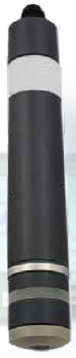
Ozone Sensors
Ozone sensors utilise a amperometric measurement system consisting of porous membrane and a
electrolyte filled cell containing two electrodes that react when they come into contact with ozone molecules
generating a current flow across the working and counter electrodes proportional to the ozone concentration, sensors are used in a
wide spectrum of applications such as pure water systems, wastewater treatment and other industrial processes incorporating automatic temperature
compensation for accurate concentration measurement.
Key Features
• Advanced membrane covered sensors provides rapid response times even with
the presence of hydrogen peroxide
• Integrated thermistors adjust measurements in real-time to maintain
accuracy despite fluctuating water temperatures
• Modular sensor head and replaceable membrane caps, significantly
reducing downtime and total cost of ownership
• We strongly recommend replacing the electrolyte
at 6 month intervals to maintain calibration and accuracy of sensor
Technical Details
• Measurement Ranges :- 0.00÷200 PPM - 0÷500 PPM - 0÷2,000 PPM - 0÷5,000 PPM Concentrations
• pH Range :- 1.00÷6.00 - Temp :- 0-45°C - Pressure :- 0-1 Bar - Electrode :-
Silver Chloride-Gold
• Signal Output :- 4÷20 mA - Flow Rate :- 30 l/hr - Dimensions
:- 25mm Dia x 175mm Length
Applications
| CIP (Cleaning In Place) | Pharmaceutical Industry | Medical Technology | Wastewater
Treatment | Bottling Processes |
Key Features
• Sensor utilises advanced electrochemical sensing technology to minimising
cross-sensitivity to other oxidising agents
• Built with robust electrodes that resist fouling and degradation
reduces the frequency of calibration and maintenance
• Sensor incorporates automatic temperature
compensation eliminates the effects of working temperature fluctuations
• We strongly recommend replacing
electrolyte at six month intervals to maintain calibration and accuracy of sensor
Technical Details
• Measurement Ranges :- 0.00÷200 PPM - 0÷500 - 0÷20,000 PPM - 0÷200,000 PPM Concentrations
• pH Range :- 2÷11 - Temperature :- 0-45°C - Pressure :- 0-1 Bar - Electrode :-
Silver Chloride-Gold
• Signal Output :- 4÷20 mA - Flow Rate :- 30 l/hr - Dimensions
:- 25mm Dia x 175mm Length
Applications
| Cooling Towers | Swimming Pools | Drinking
Water | Wastewater Treatment | Food Process | Process Water Disinfection |
Key Features
• Sensor utilises advanced electrochemical sensing technology to minimising
cross-sensitivity to other oxidising agents
• Sensor incorporates automatic temperature compensation
eliminates the effects of working temperature fluctuations
• Built with robust membrane that resist
fouling and degradation reduces the frequency of calibration and maintenance
• We strongly recommend replacing
the electrolyte at 6 month intervals to maintain calibration and accuracy of sensor
Technical Details
• Measurement Ranges :- 0.00÷200 PPM - 0÷500 PPM - 0÷2,000 PPM - 0÷5,000 PPM Concentrations
• pH Range :- 1.00÷6.00 - Temp :- 0-45°C - Pressure :- 0-1 Bar - Electrode :-
Silver Chloride-Gold
• Signal Output :- 4÷20 mA - Flow Rate :- 30 l/hr - Dimensions
:- 25mm Dia x 175mm Length
Applications
| Municipal Drinking Water | Pharmaceuticals | Aquaculture | Wastewater
Treatment | Bottling & Beverage Industry |
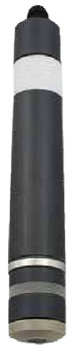
Bromine Sensors
High performance Amperometric Bromine Sensors with temperature compensation provides reliable real-time high resolution measurements of bromine levels without interference of common water contaminants in cooling towers, wastewater treatment, aquatics and desalination reverse osmosis processes, sensor maintains stable readings even in fluctuating flow and pressure conditions and eliminates the need for manual reagents ensuring the system remains safe and within it's optimal disinfection parameters.
High performance Amperometric Bromine Sensors with temperature compensation provides reliable real-time high resolution measurements of bromine levels without interference of common water contaminants in cooling towers, wastewater treatment, aquatics and desalination reverse osmosis processes, sensor maintains stable readings even in fluctuating flow and pressure conditions and eliminates the need for manual reagents ensuring the system remains safe and within it's optimal disinfection parameters.

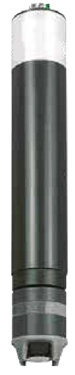

Hydrogen Peroxide Sensors
High performance amperometric Hydrogen Peroxide membrane covered sensors with temperature compensation provide real-time high resolution readings of bromine levels without interference of common water contaminants in cooling towers, wastewater treatment, aquatics and desalination reverse osmosis processes, sensor maintains stable readings even in fluctuating flow and pressure conditions and eliminates the need for manual reagents ensuring the system remain within it's optimal disinfection parameters.
High performance amperometric Hydrogen Peroxide membrane covered sensors with temperature compensation provide real-time high resolution readings of bromine levels without interference of common water contaminants in cooling towers, wastewater treatment, aquatics and desalination reverse osmosis processes, sensor maintains stable readings even in fluctuating flow and pressure conditions and eliminates the need for manual reagents ensuring the system remain within it's optimal disinfection parameters.
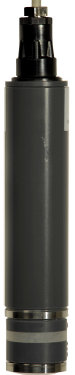
Peracetic Acid (PAA) Sensors
High performance Peracetic Acid (PAA) Sensors with temperature compensation provide reliable real-time concentration monitoring to ensure regulatory compliance and process efficiency without the need for frequent manual titration ensuring disinfection processes are both effective and compliant with safety standards, utilises sophisticated integrated electronics coupled with advanced membrane-covered sensors to provide rapid response times and high selectivity even in the presence of hydrogen peroxide.
High performance Peracetic Acid (PAA) Sensors with temperature compensation provide reliable real-time concentration monitoring to ensure regulatory compliance and process efficiency without the need for frequent manual titration ensuring disinfection processes are both effective and compliant with safety standards, utilises sophisticated integrated electronics coupled with advanced membrane-covered sensors to provide rapid response times and high selectivity even in the presence of hydrogen peroxide.
Ozone Sensors
High performance Amperometric Ozone Sensors with temperature compensation designed to provide continuous real-time data measurements utilising advanced membrane electrochemical technology essential for maintaining the efficiency and safety of ozone based systems across multiple industries including cooling towers and wastewater treatment processes, engineered for durability in harsh environments sensors retain precise measurements of ozone levels unaffected by water turbidity or pH fluctuations
High performance Amperometric Ozone Sensors with temperature compensation designed to provide continuous real-time data measurements utilising advanced membrane electrochemical technology essential for maintaining the efficiency and safety of ozone based systems across multiple industries including cooling towers and wastewater treatment processes, engineered for durability in harsh environments sensors retain precise measurements of ozone levels unaffected by water turbidity or pH fluctuations
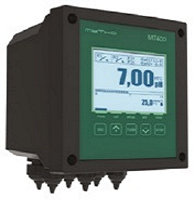
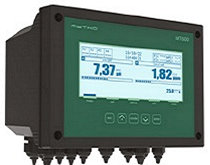
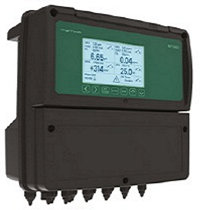
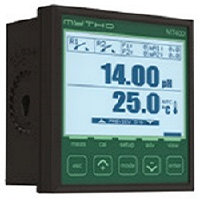
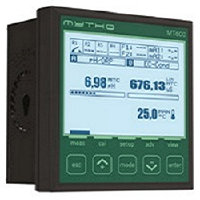
Process Control Measurement Systems
Sophisticated range of measurement controllers and instruments with simultaneous readings for
precise monitoring of water treatment processes.
Large graphic multi-colour display indicating system conditions with
PID algorithm software and remote communication.





Electronic Dosing Systems
Tel 01299 825 656 Email info@electronicdosingsystems.co.uk


Supplying Customers Throughout The United Kingdom
Copyright: - Electronic Dosing Systems 2026
| Water Treatment | Electroplating | Cooling Towers | Industrial Boilers | Paper Industry | Vehicle Washing |
Wastewater | Swimming Pools & Spas |
| Beverage & Brewery | Petroleum | Bottle Washing | Hygiene &
Cleaning | Biotechnology | Food Industry | Pharmaceutical Industry |